
Understand
Forests are rarely cut for the timber itself: they are cleared for what comes next, pasture, crops, a mine, a road. That is what makes it hard to slow, because the demand comes from somewhere other than the forest. And a replanted forest is not the forest that stood there: the trees come back long before the soil, the fungi and the species that depended on them.
Take action
- Read the ingredient list for palm oil. It is in a large share of processed products and spotting the name takes ten seconds.
- Cut back on beef rather than cutting it out: it is the production that takes the most cleared land.
- Keep your wooden furniture, repair it, buy it used. Wood already cut is the only wood that costs no one anything more.
- Decline paper receipts and print double-sided. It is small, but it is what you decide on every day.
- Be wary of "offset by tree planting" on a package: for the buyer, that promise cannot be checked.
Guides
Coming soonResources coming soon
Organizations
Coming soonOrganizations coming soon
Tools
Coming soonTools coming soon
Did you know?
Coming soonFact coming soon
Go further
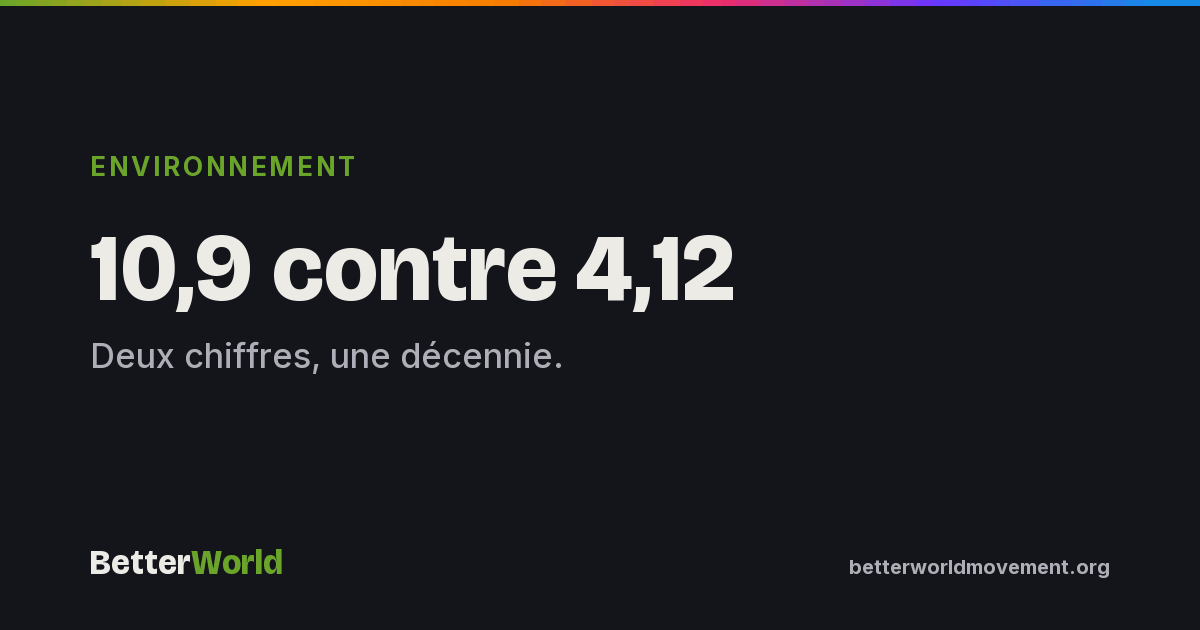 10.9 million hectares deforested a year. Net loss: 4.12.Two FAO figures for the same decade, nearly three times apart. The gap between them has an explanation.8 min read
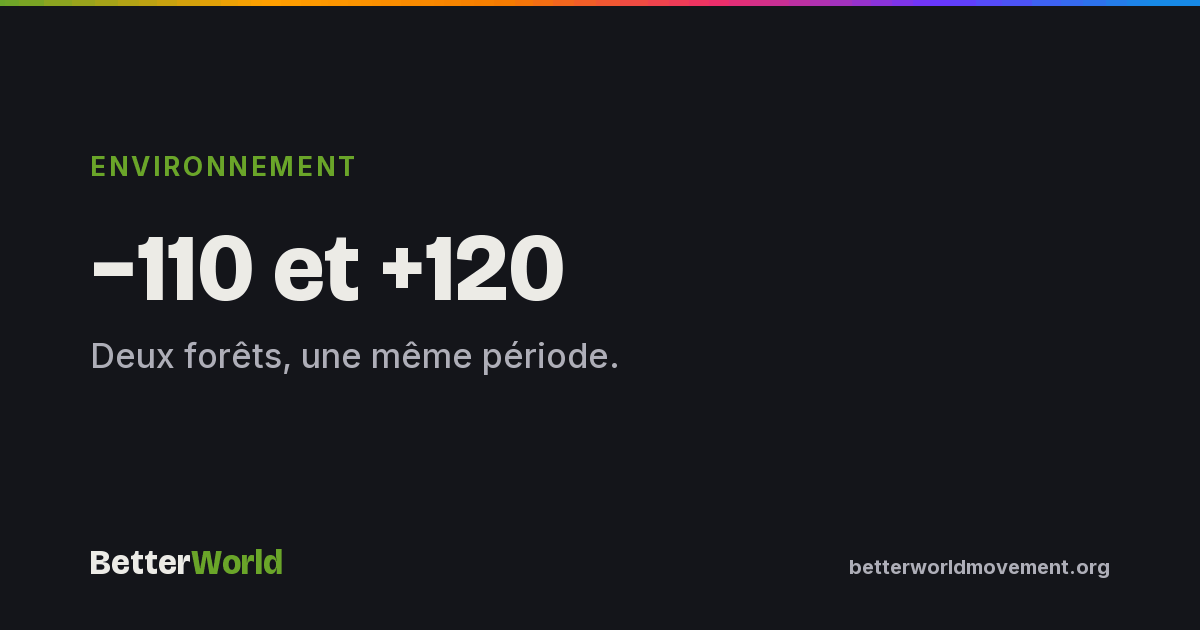 The forest that grows is not the one that disappearsSince 1990: 110 million hectares less primary forest, 120 million more planted forest.8 min read
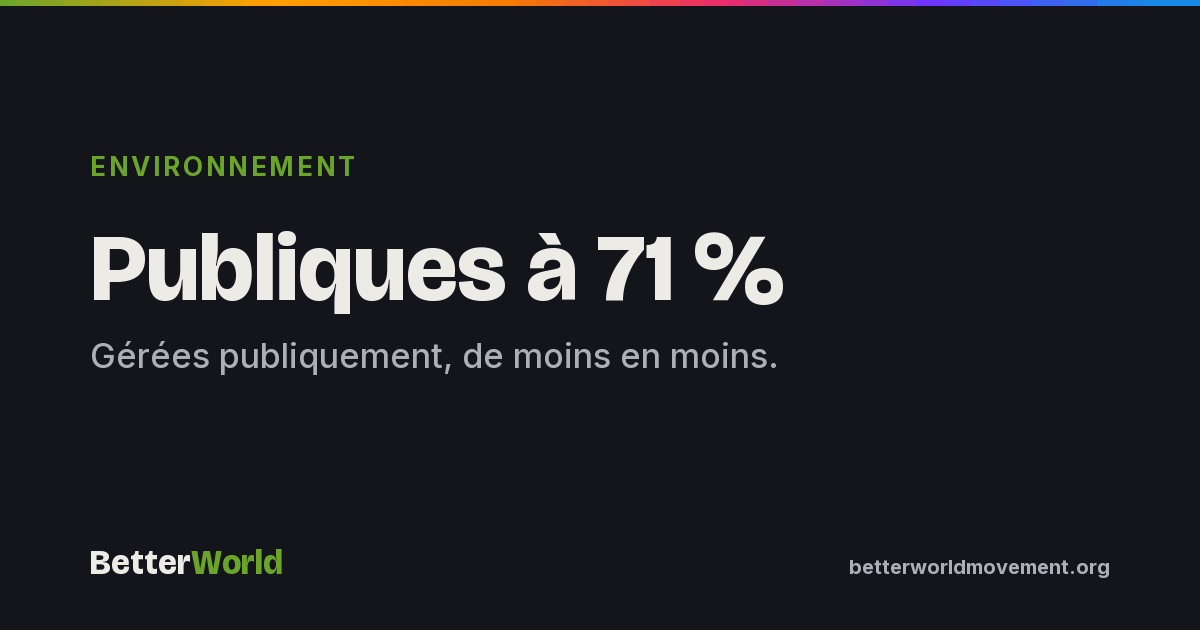 The forests are public. Managing them is less and less so.71% of the world's forests are publicly owned. But the share managed by public administrations is falling.8 min read
Myth and reality
"A tree planted cancels out a tree cut."
A young tree does not replace a mature one: it takes decades to store as much carbon, and it does not give back what lived around it, the soil, the fungi, the insects and the species settled there. Planting is worthwhile. It is not a cancellation, it is a long catch-up.